Intro
The Leeum Museum of Art is the one museum I send every visitor to in Seoul — and the surprising part is that a huge portion of it is completely free.
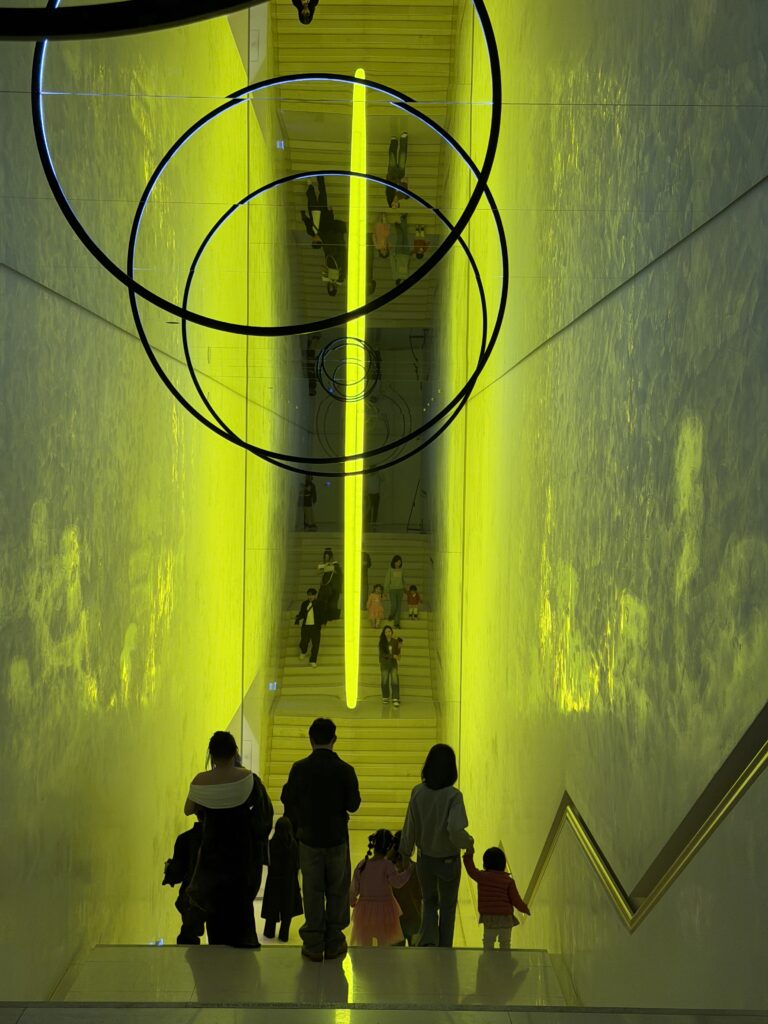
If you only have time for one art museum in Seoul, make it the Leeum. Tucked into the quiet, upscale streets of Hannam-dong — a neighborhood most first-time visitors never wander into — it’s a rare place where the building itself is as much a masterpiece as the art hanging inside. And here’s the part that surprises everyone: a huge portion of it is completely free to enter.
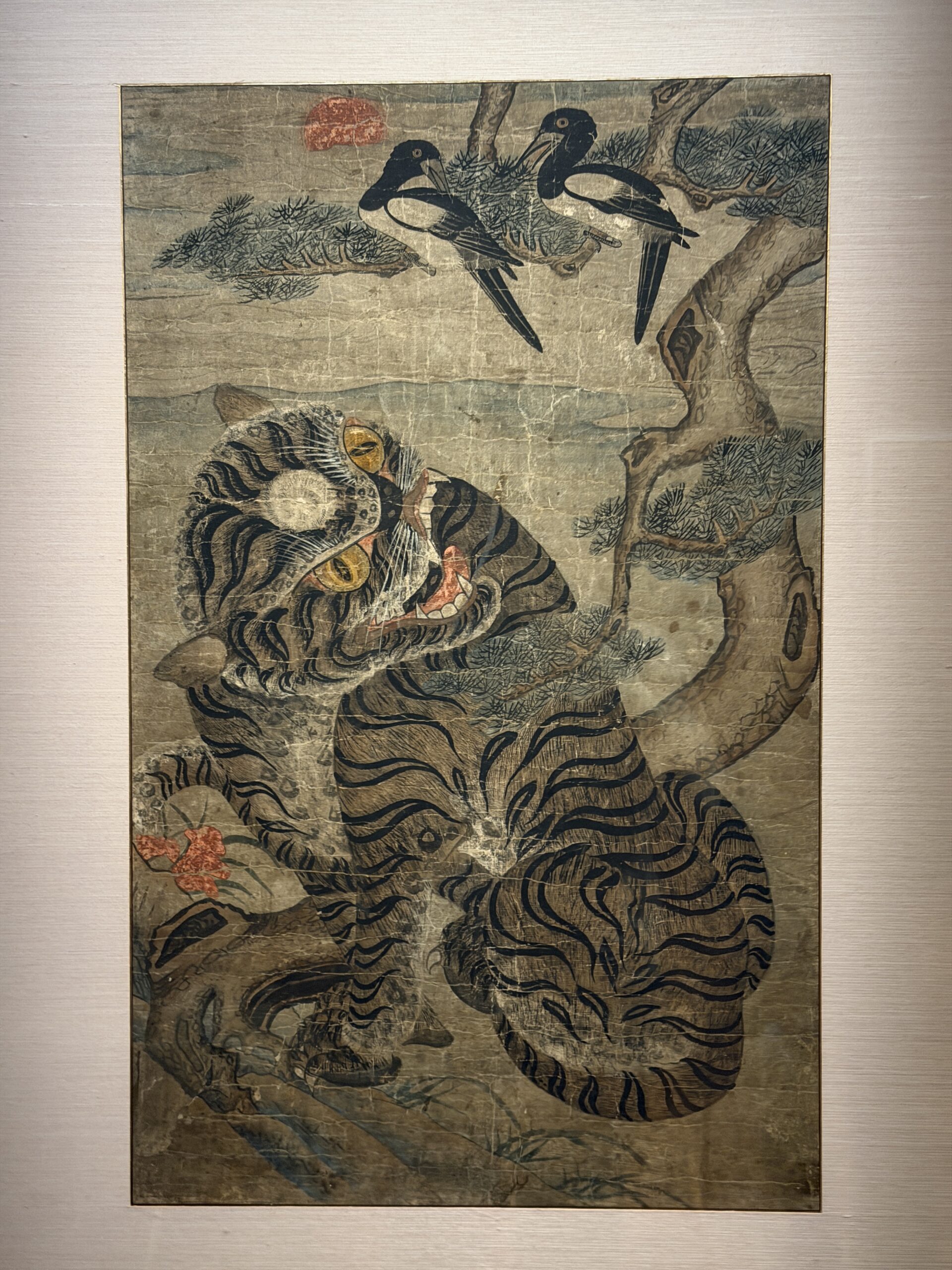
The collection includes a traditional Magpie and Tiger painting, a familiar motif for visitors interested in Korean folk art and its modern pop-culture reinterpretations.
I’ve lived in Seoul for years, and the Leeum is the museum I keep coming back to. It’s also the first place I send any friend who’s visiting, whether they’re an art lover or someone who “doesn’t really do museums.” There’s something here for both. In this guide, I’ll walk you through exactly what to see, how much it costs, how to get there without getting lost, and a few local tips I wish someone had told me on my first visit.
Why It’s Worth Your Time
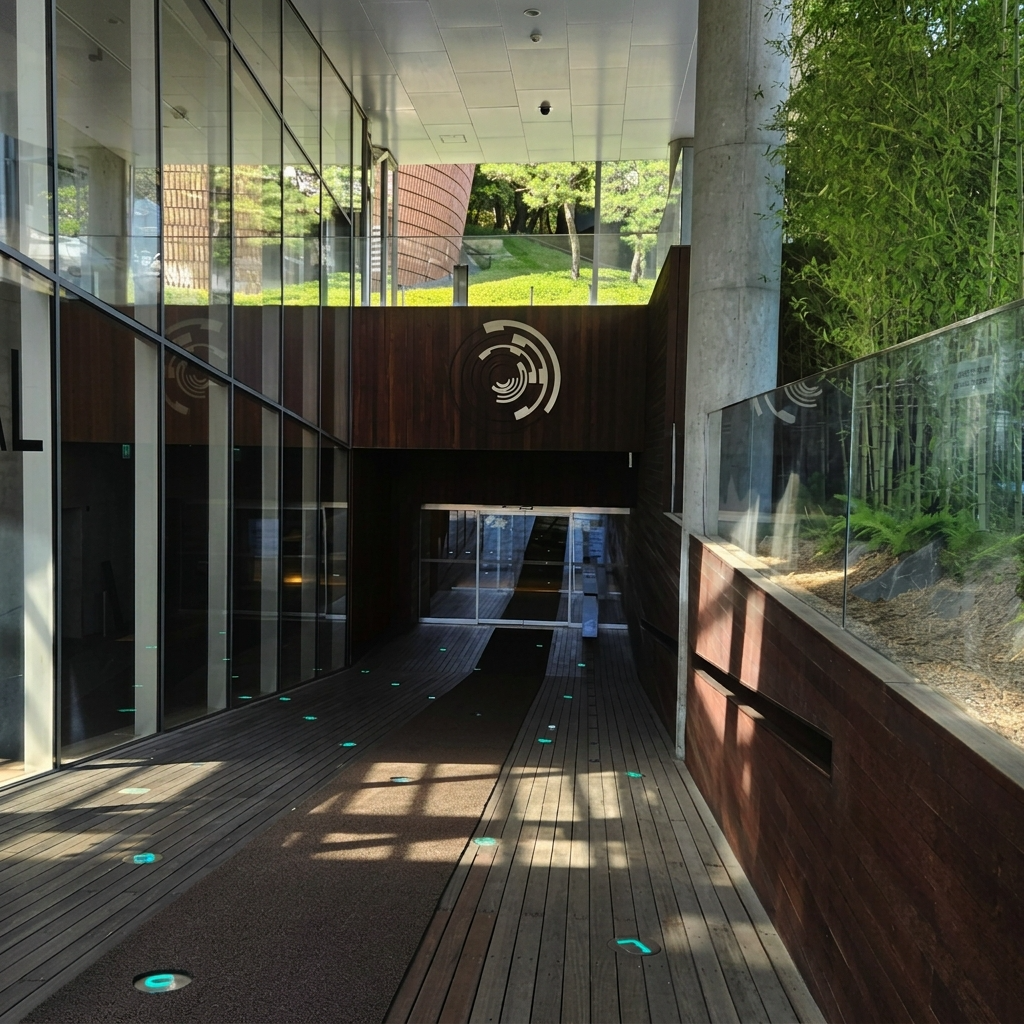
Most people don’t realize this until they arrive, but the Leeum wasn’t designed by one architect — it was designed by three of the most famous architects in the world, each given a single building to make their own.
Mario Botta designed Museum 1 (M1), home to the traditional Korean collection, using warm terracotta brick that spirals like an ancient fortress. Jean Nouvel created Museum 2 (M2) for modern and contemporary art, all dark glass and rusted stainless steel — sleek and industrial. And Rem Koolhaas designed the black-box education center that seems to float above the ground. Three radically different visions, standing shoulder to shoulder as one complex. Honestly, even if you never walked inside, the architecture alone would justify the trip.
But of course, you will walk inside — and that’s where the Leeum really shines. It gives you both ends of Korean art under one roof:
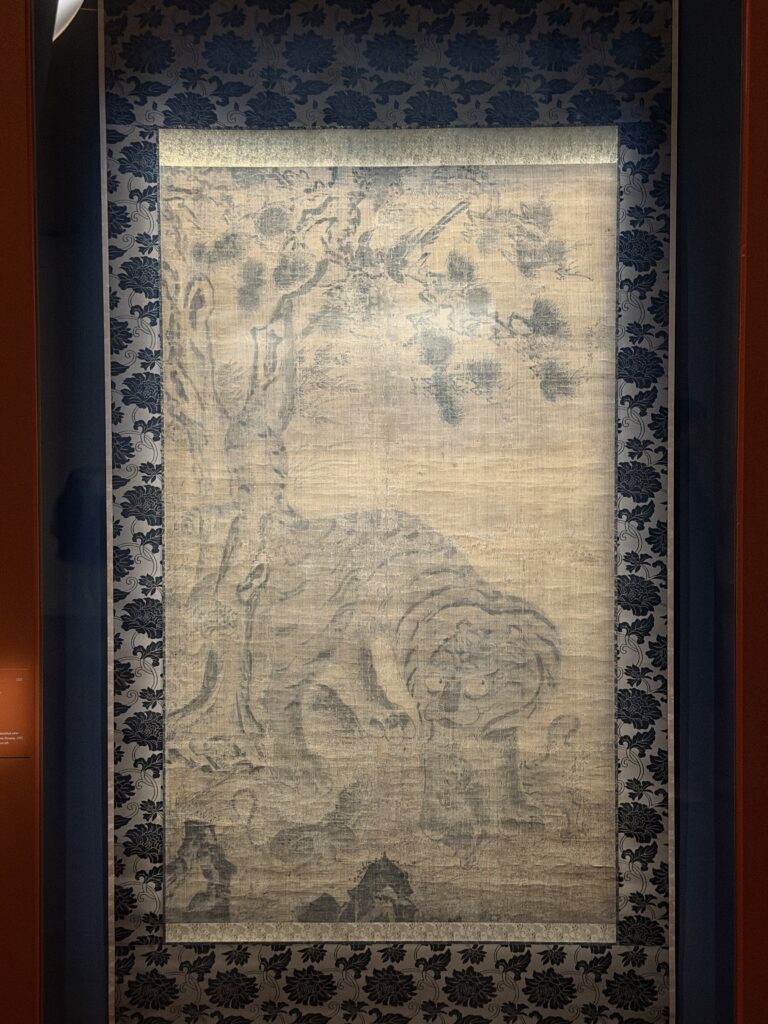
- Museum 1 (M1) holds the traditional treasures: jade-green celadon ceramics, delicate Buddhist paintings, centuries-old calligraphy, and intricate metal crafts. Many pieces here are designated national treasures, and the lighting makes them feel like jewels in a vault.
- Museum 2 (M2) swings hard in the other direction — bold, large-scale modern and contemporary work by both Korean and major international artists. The contrast between the two buildings is the whole point, and walking from one to the other feels like time-traveling across a thousand years in a few minutes.
Don’t skip the basement, either. There’s a quiet sunken garden and a striking stone-filled “gabion” wall that a lot of visitors rush past on their way out. It’s one of the most photogenic corners of the whole place, and it’s usually empty.
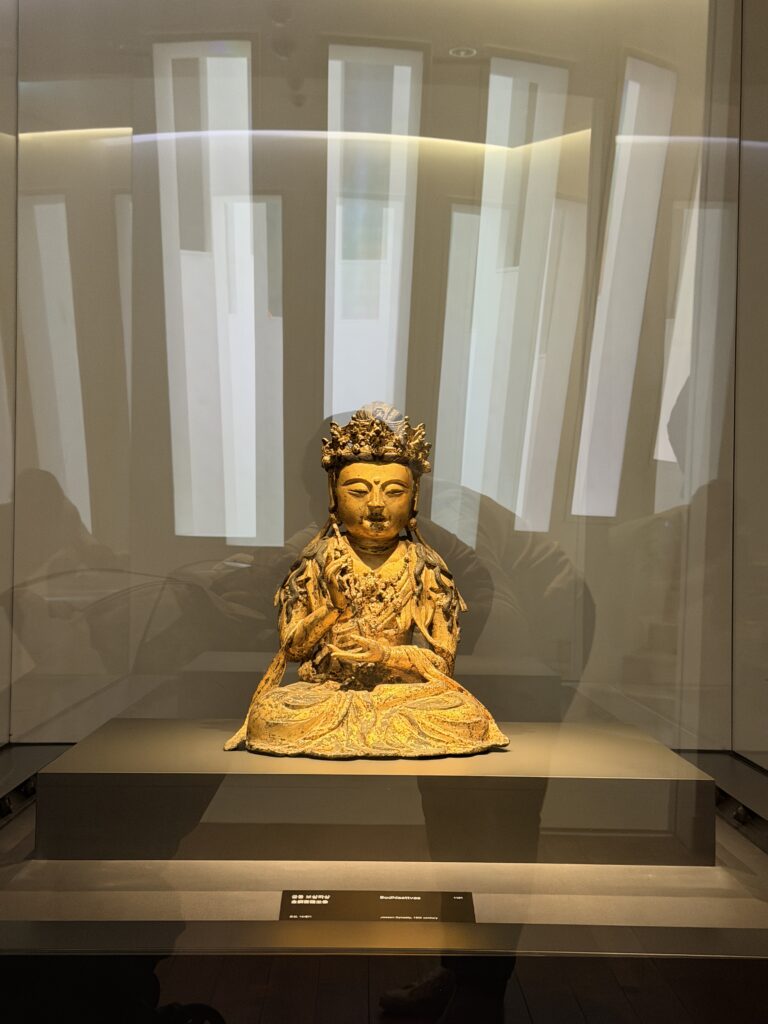
The piece that stopped me in my tracks was the Magpie and Tiger (Hojakdo) — and if you’ve watched K-Pop Demon Hunters, you’ve already seen it. That playful tiger and the chattering magpie from the film? This is where the original lives. Standing in front of the real thing, after seeing it reimagined for a global audience, gave me genuine chills. The other work I couldn’t pull myself away from was a gilt-bronze seated Bodhisattva, its surface still glowing softly after all these centuries. Together they capture exactly what makes the Leeum special: art that feels both deeply historic and surprisingly alive.
Tickets & Hours (2026)
Here’s the best-kept secret about the Leeum: the traditional art collection in M1 is always free. You can walk in, see some of Korea’s finest historical art, and never pay a won. You only pay if you want to add the contemporary galleries or a special exhibition.
| Ticket | What’s Included | Price |
|---|---|---|
| M1 only | Traditional Korean Art | Free |
| Contemporary | M1 + M2 | ₩12,000 |
| Special Exhibition | M1 + M3 | ₩16,000 |
| Combined (All Access) | M1 + M2 + M3 | ₩20,000 |
Hours: Tuesday – Sunday, 10:00 AM – 6:00 PM Last entry / ticket sales: 5:30 PM Closed: Every Monday, New Year’s Day, and the major Korean holidays (Seollal / Lunar New Year and Chuseok / Korean Thanksgiving)
💡 A few practical tips on tickets:
- You don’t need to book online in advance. Many overseas visitors get stuck trying to reserve through the Korean site, which sometimes asks for a local payment card. Skip the hassle — you can simply buy your ticket at the front desk when you arrive.
- The Leeum offers a free digital audio guide that explains exhibits automatically as you approach them. It’s available in English, Chinese, and Japanese, so you won’t miss the context behind the art. Just bring a passport or ID to borrow one.
- If you’re on a budget, the free M1 collection alone is genuinely worth the visit. If you want the full experience, the ₩20,000 all-access ticket is the way to go.
How to Get There
Getting to the Leeum is simple once you know the route.
Take Subway Line 6 to Hangangjin Station, and leave through Exit 1. From the exit, it’s a short walk of about 5 – 6 minutes (roughly 400 meters), heading slightly uphill into the Hannam-dong neighborhood. The streets here are calm, leafy, and lined with designer boutiques and embassies — a completely different side of Seoul from the busy tourist districts.
If you’d rather not navigate the subway, a taxi from popular areas like Itaewon or Myeongdong is quick and affordable, and “Leeum Museum” (리움미술관) is well-known enough that most drivers will know it instantly.
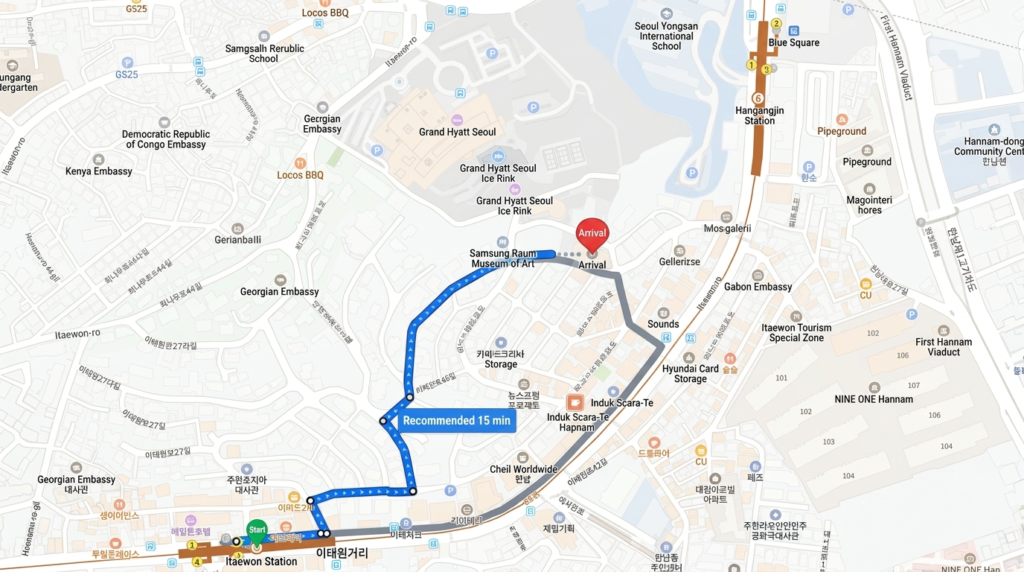
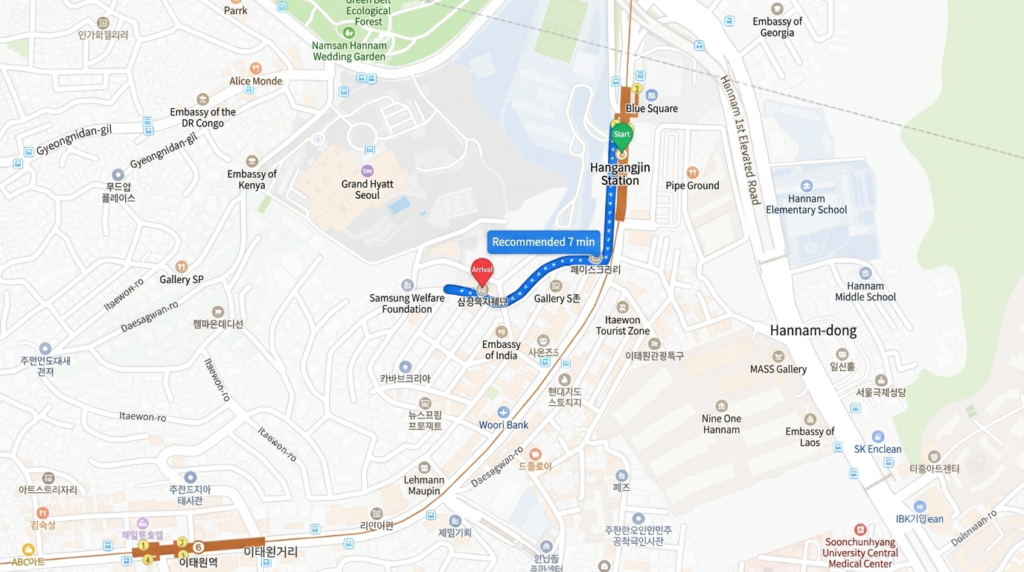
One honest heads-up, especially if you’re traveling with kids: I went with my two children, pushing the younger one in a stroller, and the walk up from Hangangjin Station was trickier than expected. Parts of the route don’t have a proper sidewalk, so it felt a little unsafe with a stroller. If you have a stroller or small children, I’d actually recommend coming from Itaewon Station instead — it’s a bit farther, but the walk is easier and safer. If you’re on your own and traveling light, the Hangangjin Exit 1 route is quick and perfectly fine.
What to Pair It With
One of the best things about the Leeum is its location. Hannam-dong is one of Seoul’s most stylish and underrated neighborhoods, so it’s easy to turn your visit into a relaxed half-day out rather than a quick stop.
Within walking distance you’ll find some of the city’s best independent cafés, brunch spots, and quiet restaurants — perfect for unwinding after a couple of hours on your feet. It’s also just a short ride or walk to Itaewon, Seoul’s most international district, where you can find food from all over the world and a lively evening scene.
If you’re building a Seoul itinerary around history and culture, this museum pairs naturally with a couple of other spots I’ve written about: the Seoul City Wall at Naksan Park, which gives you the city’s best free night view, and the Seoul Museum of History near Gwanghwamun, another excellent free museum. Together, the three make a strong “art and history” thread through the city.
Final Tips
A few last things to make your visit smoother:
- Wear comfortable shoes. There’s more walking than you’d expect between the three buildings and across the different levels.
- Give yourself at least 2 hours, and closer to 3 – 4 if you go for the full combined ticket and want to take your time. Some of the special exhibitions include short films, which can eat up more time than you’d think.
- Go on a weekday morning if you can. Tuesday through Thursday mornings are the quietest, and you’ll have far more space to enjoy the art (and take photos) without crowds.
- Don’t rush the basement — that sunken garden and stone gabion wall are easy to miss but worth the detour.