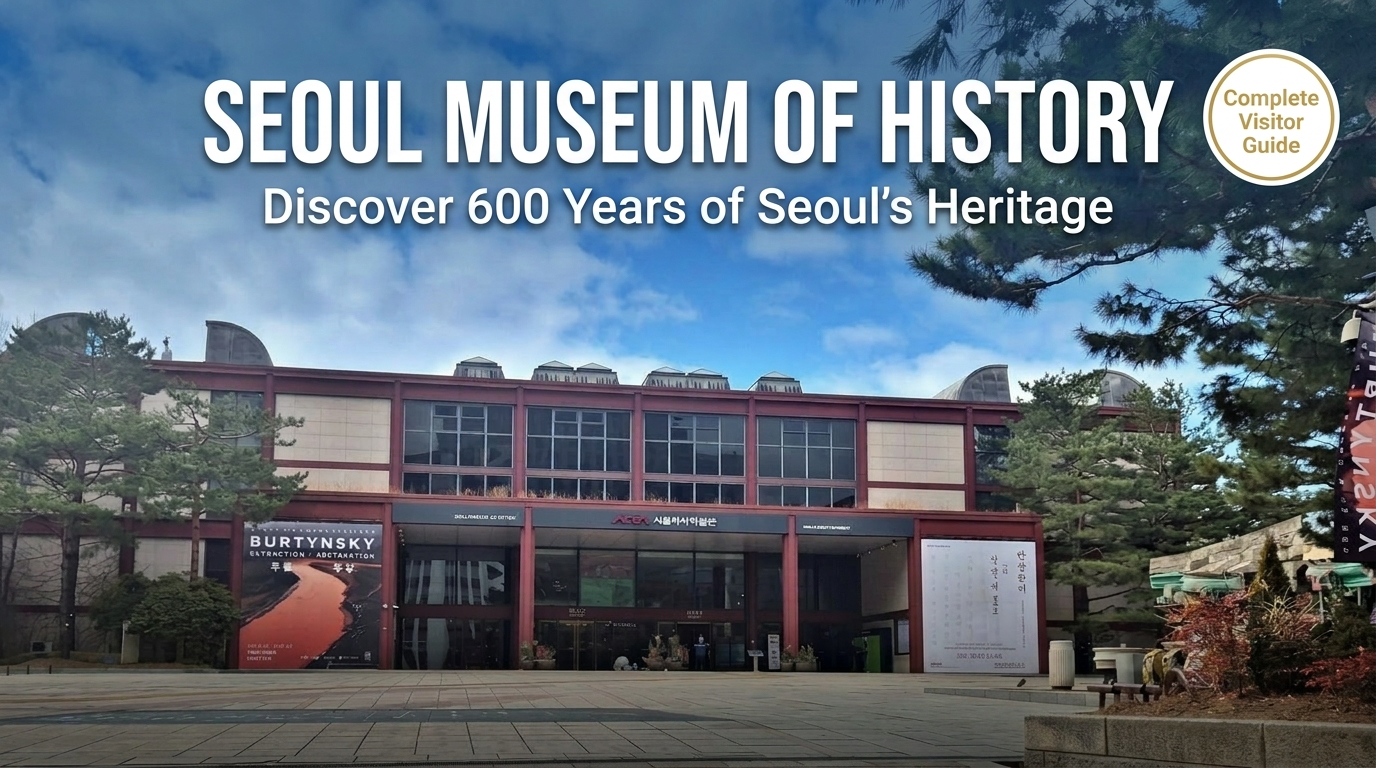
Written by someone who lives in Seoul — this is the museum I send people to when they want to actually understand the city they’re standing in.
Most visitors rush straight from Gyeongbokgung Palace to the next photo spot and never notice the building right next door. That’s a mistake. The Seoul Museum of History tells the story of how this city went from a walled Joseon capital to the megacity you’re walking through today — and it’s completely free. If you want context for everything else you’ll see in Seoul, start here.
Why It’s Worth Your Time
A lot of travelers skip city museums, assuming they’re dry. This one isn’t. Instead of dusty artifacts behind glass, the Seoul Museum of History walks you through the city itself — old maps, models of vanished neighborhoods, recreated streets and shops, and the dramatic transformation of Seoul over the last century.
What I love about it is that it makes the modern city make sense. After visiting, you start noticing layers of history in places you’d otherwise just walk past.
What to See Inside
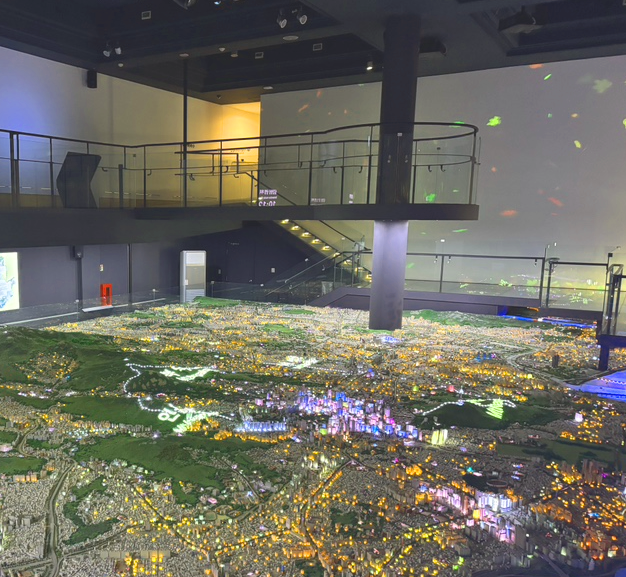
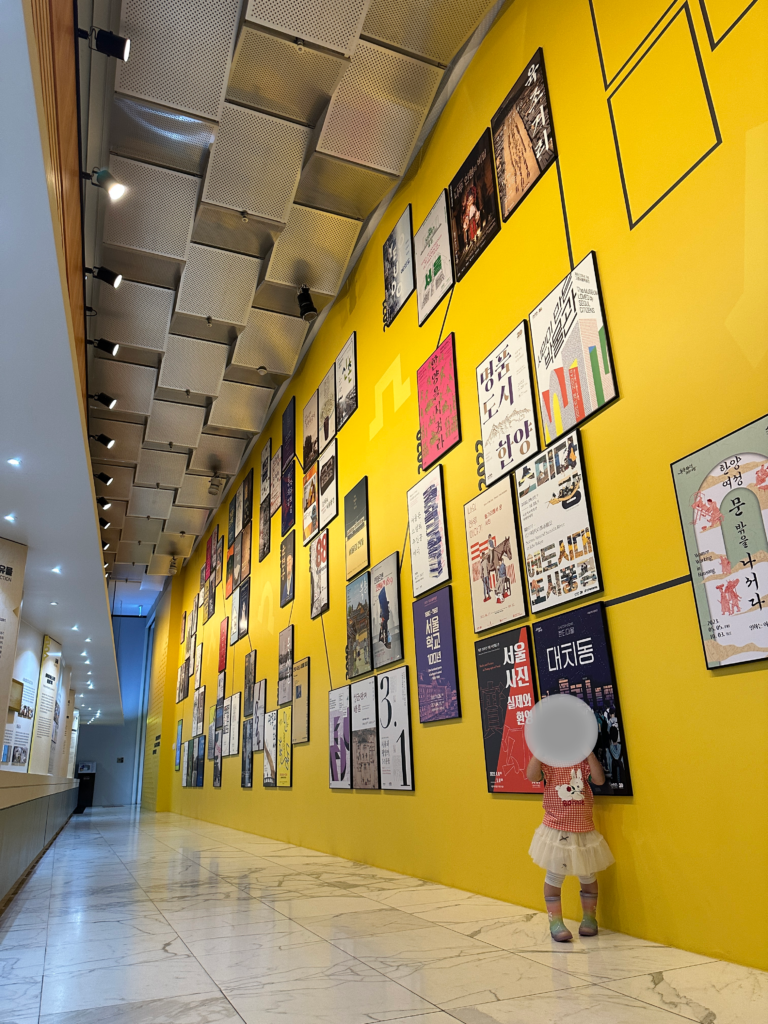
What stood out to me most was how welcoming the museum is for families — there are plenty of hands-on, interactive spaces where kids of any nationality can touch, play, and learn, no Korean required. But my personal favorite is the scale model of Seoul on the 3rd floor. It’s a huge miniature of the entire city, and you can see every district, neighborhood, and landmark building laid out in one sweeping view. If you’ve ever wanted to understand how Seoul actually fits together — the rivers, the mountains, the way old and new sit side by side — this one room makes it click.
It’s Free — Here’s What That Means
The permanent exhibitions are free to enter, which makes this one of the best-value stops in central Seoul. Special exhibitions may occasionally charge a small fee, but the main galleries — the ones telling Seoul’s story — cost nothing.
Hours & Practical Info (2026)
- Admission: Free (special exhibitions may vary)
- Closed: Mondays (most public museums in Korea close on Mondays, so plan around it)
- Hours: generally open from morning through late afternoon — always check the official site before visiting, as hours can shift by season.
💡 Local tip: Because it’s closed Mondays, pair it with other indoor spots or save it for another day if you’re here on a Monday.
How to Get There
The museum sits right in the historic heart of Seoul, near Gwanghwamun and Gyeongbokgung Palace.
Getting here is easy. Take Line 5 to Gwanghwamun Station and come out of Exit 7. From there, just follow the main road for about 5 minutes and you’ll arrive right at the Seoul Museum of History. It’s a pleasant little walk, too — on the way you’ll pass the Four Seasons Hotel and Saemoonan Church, a striking modern church building that’s worth a glance as you go by.
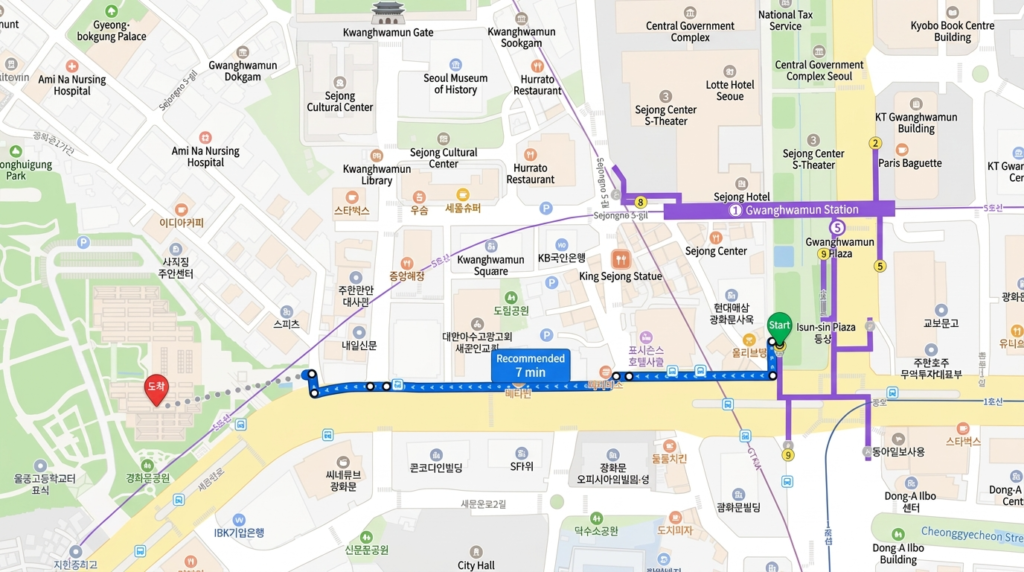
- Caption: The easy 5-minute walk to the Seoul Museum of History from Gwanghwamun Station Exit 7.
- Alt text: Walking route to the Seoul Museum of History from Gwanghwamun Station
What to Pair It With
This is the real advantage of its location. You can easily combine the museum with:
- Gyeongbokgung Palace — right next door, the grandest of Seoul’s palaces.
- Gwanghwamun Square — the symbolic center of the city.
- A walk through the surrounding historic streets.
Make it part of a half-day exploring old Seoul, and the museum gives you the backstory for everything else you’ll see.
If you enjoy walking through Seoul’s history, don’t miss the 600-year-old Seoul City Wall at Naksan Park — another local favorite I’ve written about.
Final Thoughts
If you only have time for one museum in Seoul and you want to actually understand the city, make it this one. It’s free, it’s central, it’s genuinely well done — and it turns the rest of your trip into something you understand rather than just photograph.
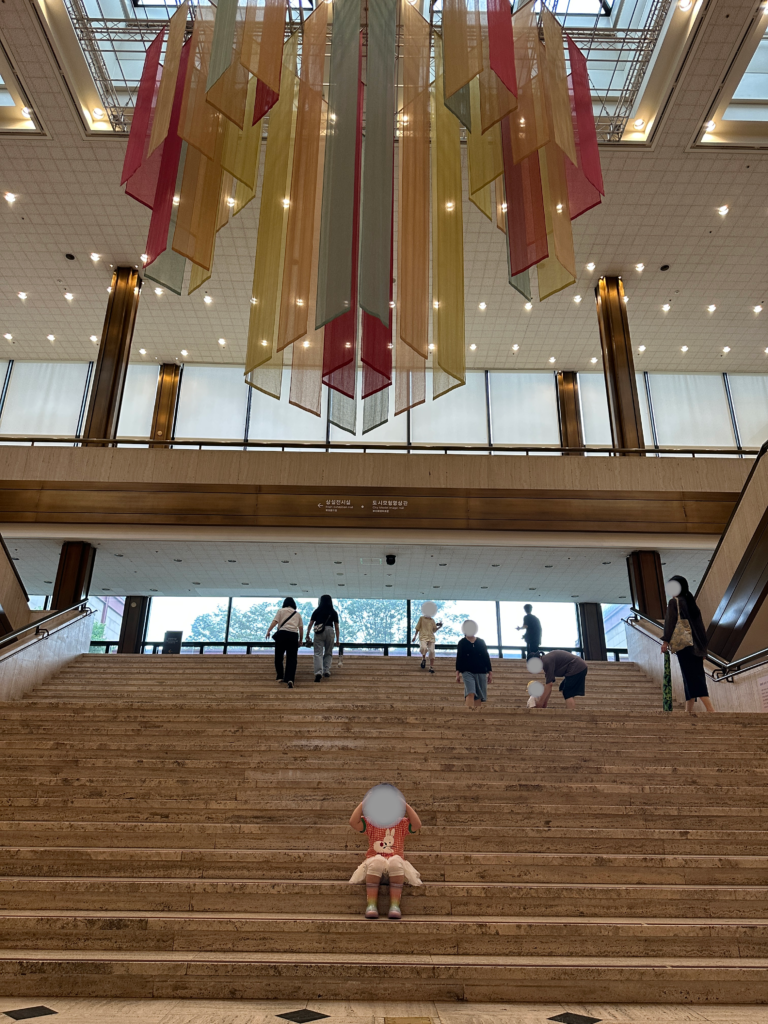
A few honest tips, especially if you’re visiting with kids:
- Bring your own drinks and snacks. There is a cafe inside the museum, but it doesn’t have much for children, so pack something for the little ones just in case.
- Check for seasonal kids’ programs before you go. The museum runs hands-on learning activities for children that change with the seasons. They’re a great experience, but they fill up, so check the museum’s website or blog ahead of time to see what’s on and how to join.
- Let the kids unwind at the park next door. Right beside the museum is a small, quiet green space called Gyeonghuigung Park, with walking paths and open lawns. It’s the perfect spot to relax after the exhibits, where little ones can stretch their legs and run around before you head off.